Trick-taking game
Card or tile games centered on winning tricks.

Silverije · CC BY-SA 4.0
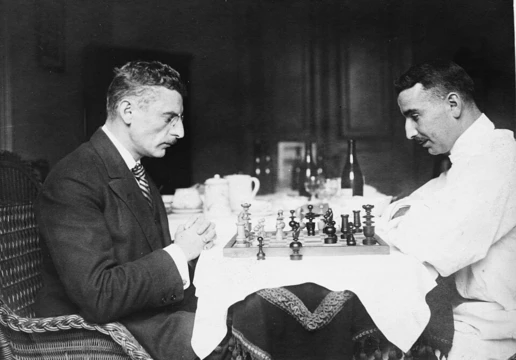
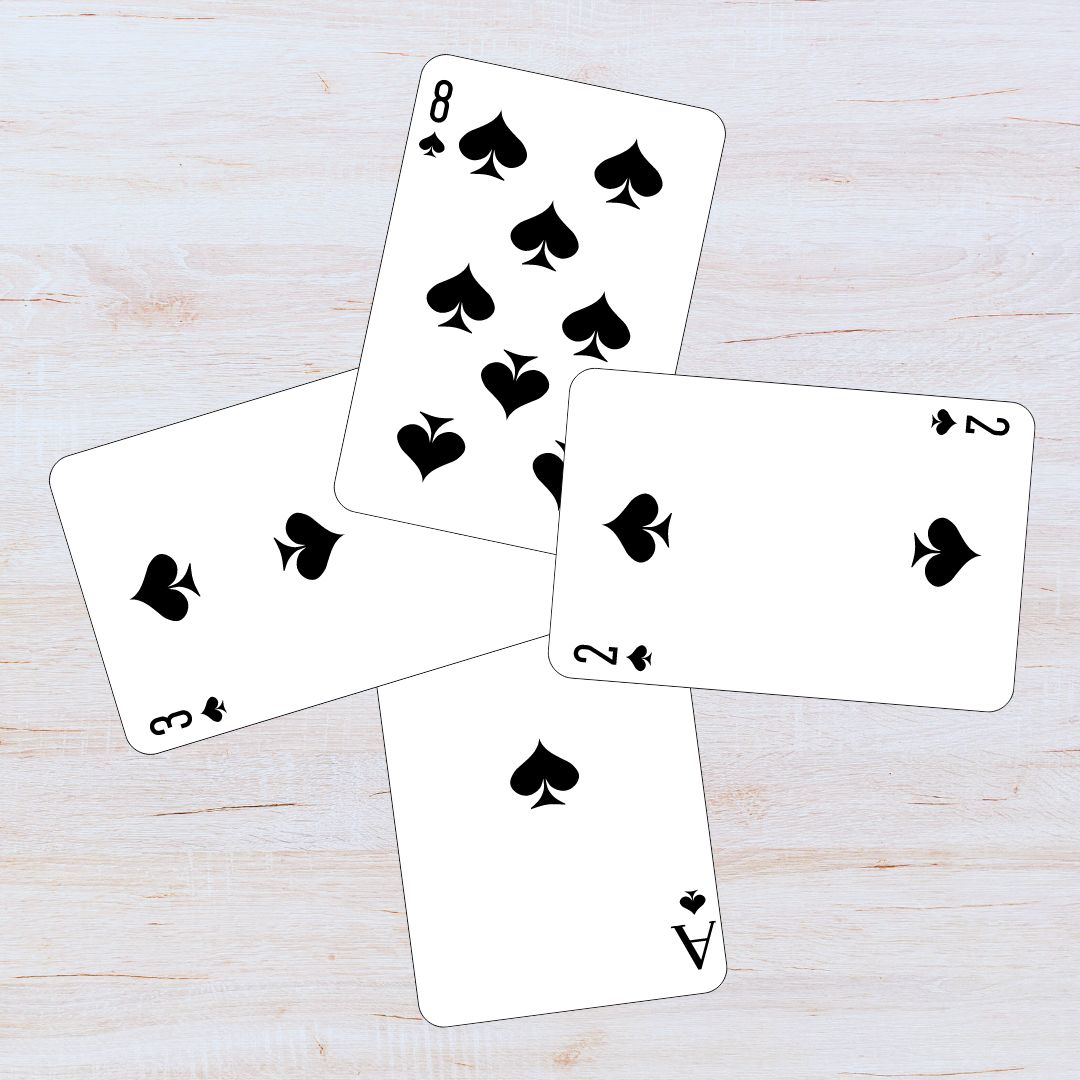
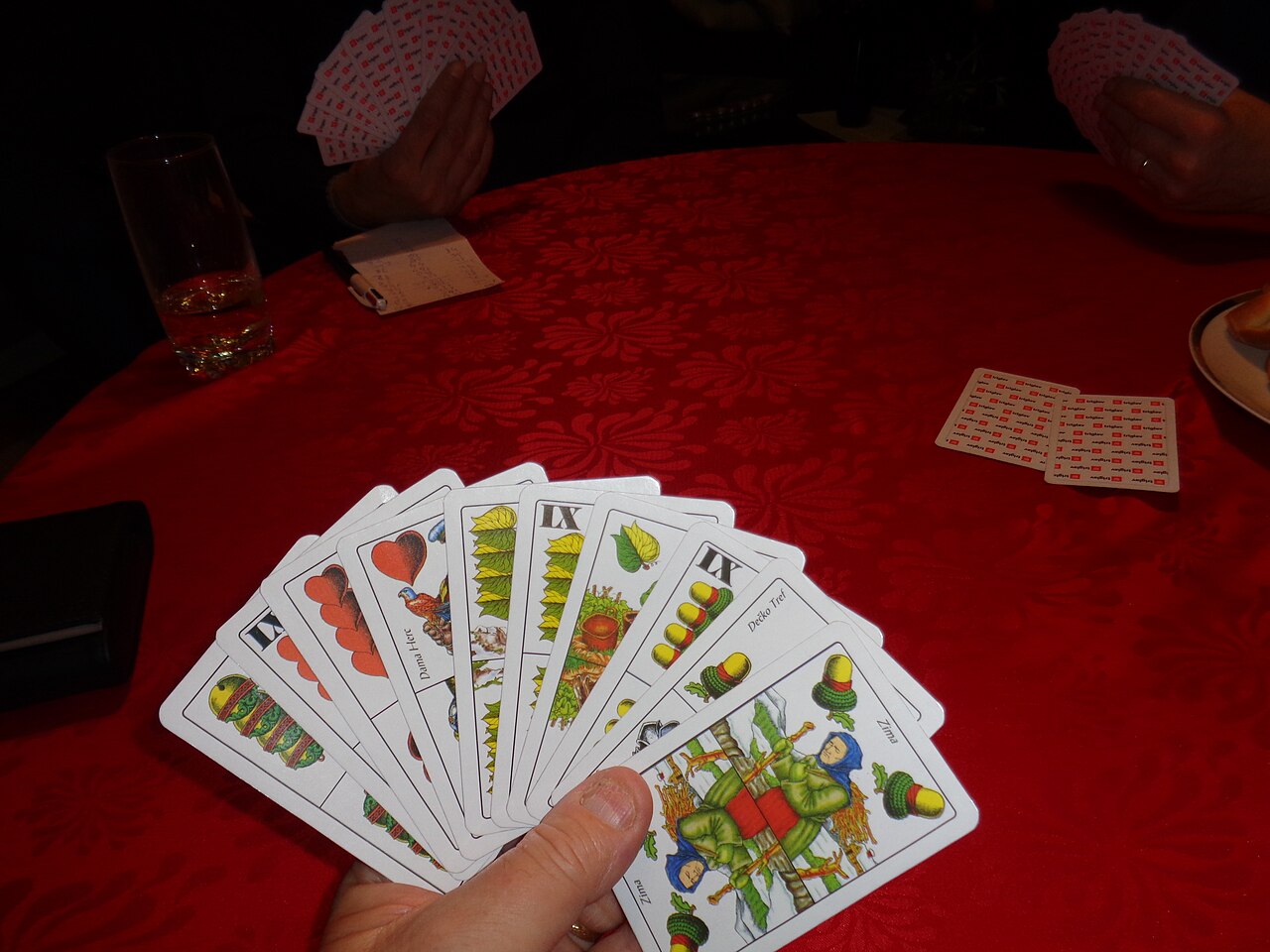
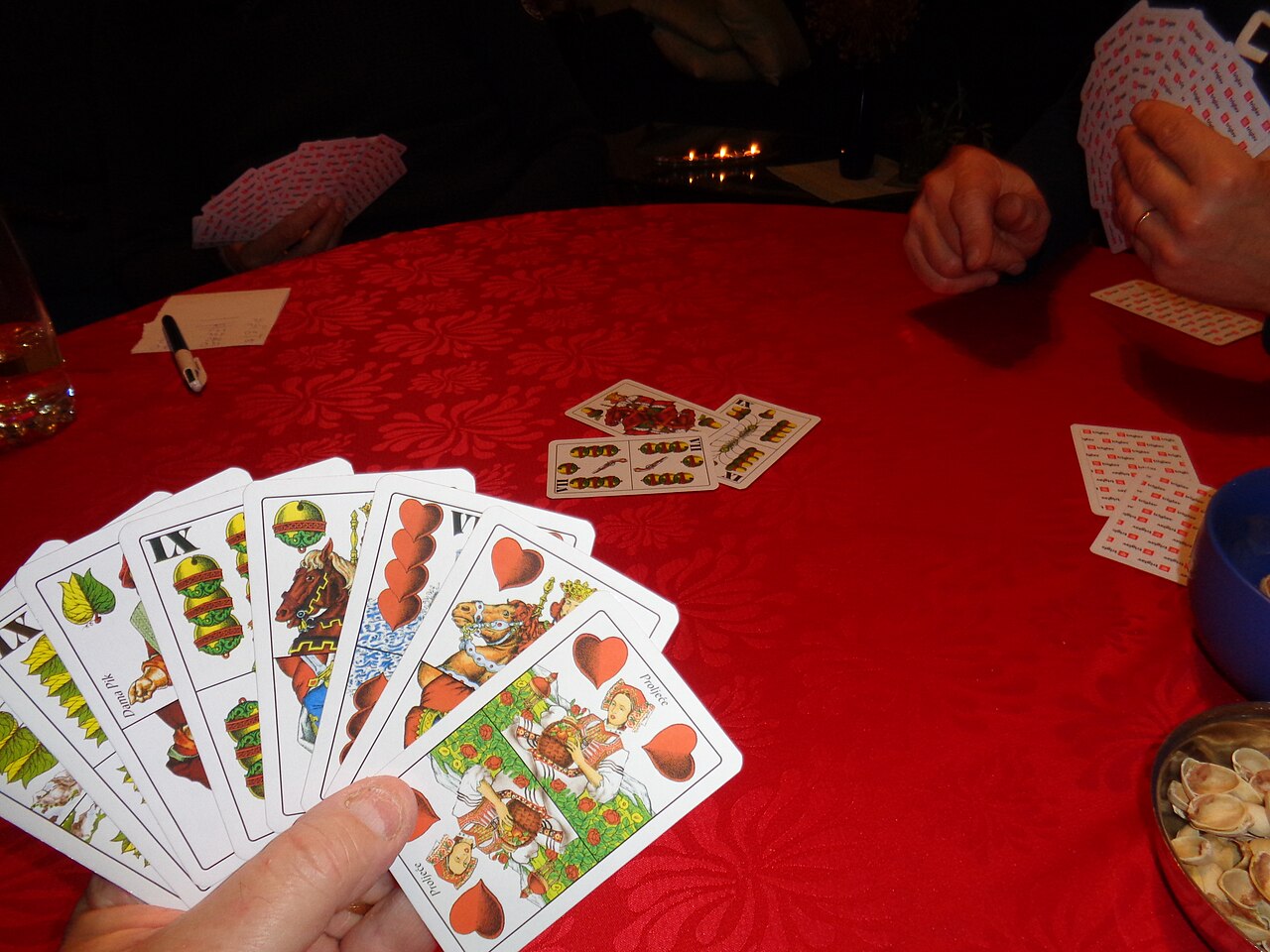
A trick-taking game is a card- or tile-based game in which play of a hand centers on a series of finite rounds called tricks, each evaluated to determine a winner. The object may be tied to the number of tricks taken (plain-trick games) or to the value of cards in taken tricks (point-trick games). Trick-taking games are among the earliest card games, with their origins generally traced to Europe or the Middle East, spreading globally during the early second millennium.
- key_innovation_1
- Early trump-like features (15th century, e.g., Karnöffel)
- common_rotation_north_west_europe
- Variable (clockwise not universally confirmed)
Lore & Background
The earliest card games were trick-taking games, evidenced by rank-and-suit structure, with origins generally traced to Europe or the Middle East. Michael Dummett described early European trick-taking games like Karnöffel and its relatives, noting they shared features: Karnöffel is the earliest known European game with a trump-like feature, though not definitively the first to introduce a full trump suit; only certain trump cards were exempt from following suit; highest card of suit led wins; rotation varied (clockwise not universally confirmed for Karnöffel); plain-trick games; and pip cards of one or more suits in reverse order. Two revolutions in European trick-taking games led to more sophisticated games: the development of trumps and the gradual adoption of following suit (not universally in the 15th century), and bidding in the 17th century.
Reader's Guide
Trick-taking games form a foundational category of card and tile games, with a history spanning from ancient China to modern global games. Bidding for a trump suit, credited to ombre in the 17th century, allowed players to auction for the trump suit rather than having it randomly selected. These innovations led to the development of contract bridge, whist, spades, pinochle, skat, and many others. In contrast, Chinese trick-taking games did not develop trumps or bidding, instead diverging into multi-trick games and later draw-and-discard games. The basic structure involves a dealer, rotation of play (clockwise in North/West Europe, anticlockwise in South/East Europe), following suit, and leading to tricks. Trick-taking games remain significant as the basis for many popular modern card games and as a key element in the history of game design.
Did You Know?
- In the early 1440s in Italy, special cards called trionfi appeared, which later evolved into what we call tarots (tarocchi).
- The domino game Texas 42 is an example of a trick-taking game that is not a card game.
- Some Chinese trick-taking games, such as Sheng Ji, do involve trumps and bidding.
Gallery
Frequently Asked Questions
What exactly is a trick-taking game?
It is a card or tile game in which players compete over a fixed number of rounds called tricks, each one judged to have a winner. The overall goal can hinge on either how many tricks you capture or the point value of the cards collected within those tricks.
What are the two main scoring styles in trick-taking games?
Plain-trick games reward you based on the sheer count of tricks won, while point-trick games focus on the cumulative value of the cards gathered inside those tricks.
Where and when did trick-taking games first appear?
Their origins are generally traced to Europe or the Middle East, with the genre spreading worldwide during the early second millennium. They are regarded as among the oldest forms of card-based play.
What was a major early innovation in trick-taking design?
The introduction of trump-like mechanics in the 15th century, visible in games such as Karnöffel, marked a significant step forward in how a single card could override its suit to win a trick.
Do players always rotate clockwise in trick-taking games?
Not necessarily. While clockwise rotation is common in many modern versions, historical evidence does not confirm it as a universal rule across all regions and eras of play.
More in Card & Tabletop Games 25-32
Elsewhere in the Card & Tabletop Games universe
Spotted an error? Know more?
This is a living reference — every entry is fact-audited, and reader corrections feed straight into our audit queue. Suggest an edit · See this site's audit record