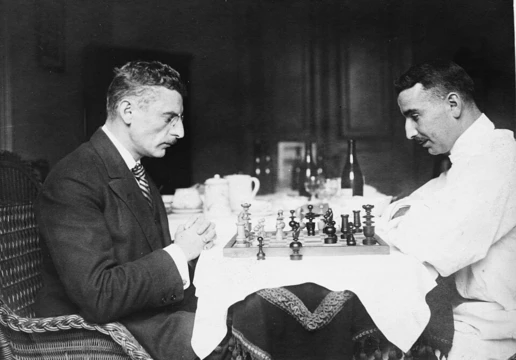
War (card game)
A simple card game of chance with many variations.

FOTO:Fortepan — ID 19210 : Adományozó/Donor: Unknown. · Public domain
War, also known as Battle in the United Kingdom, is a simple card game typically played by two players using a standard playing card deck. It is often played by children and has many variations, as well as related games such as the German 32-card Tod und Leben ('Death and Life'). The objective of the game is to win all of the cards.
- Type
- Card game
- Players
- 2 or more
- Deck
- Standard 52-card deck (or 32-card Skat pack in variants)
- Objective
- Win all cards
- Known for
- Simple, random gameplay; no player choices in basic form
Lore & Background
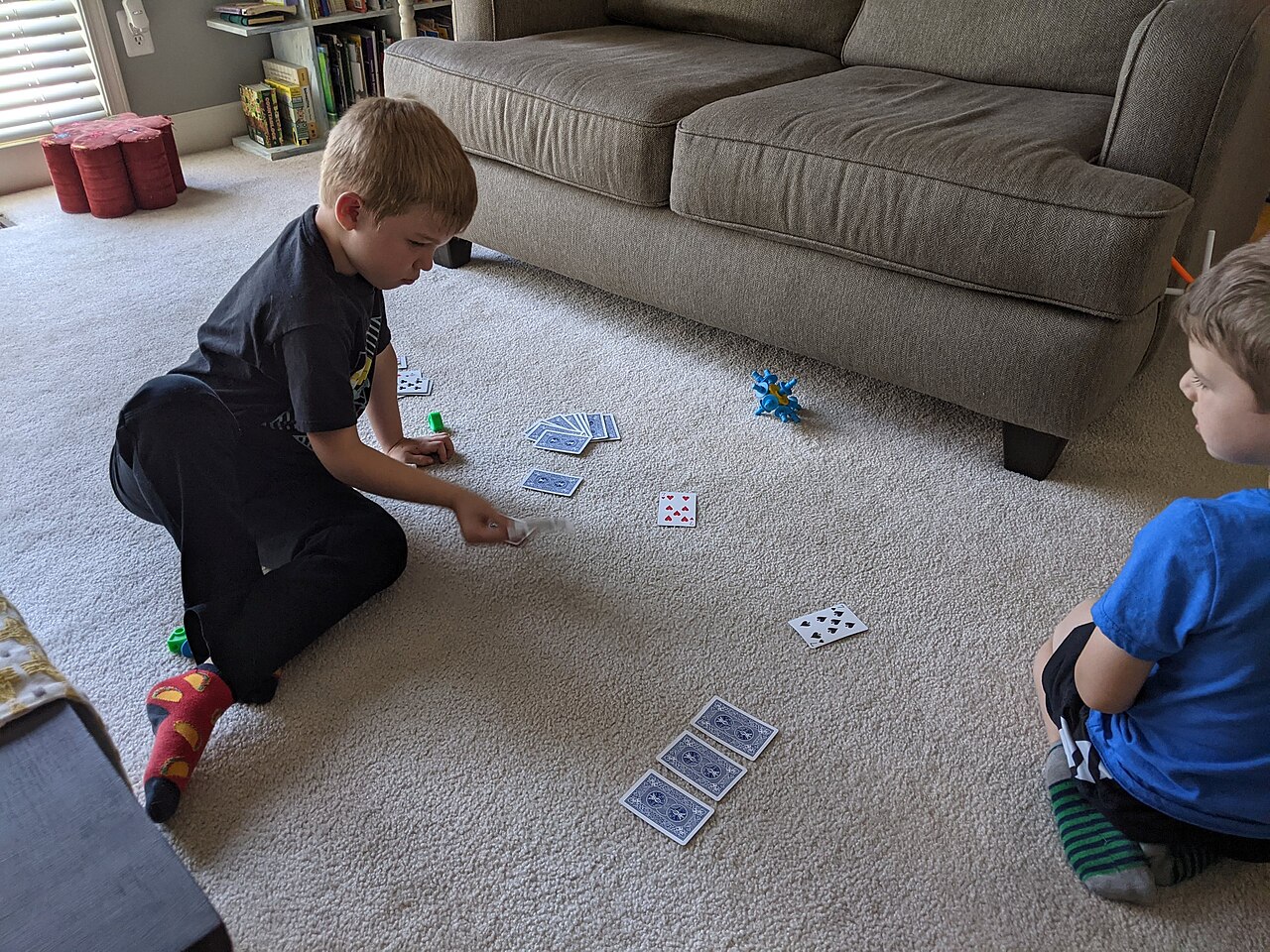
War is played by dividing the deck evenly among players, each receiving a down stack. In unison, each player reveals the top card of their deck—a 'battle'—and the player with the higher card takes both cards and moves them to their stack. Aces are high, and suits are ignored. If the two cards played are of equal value, a 'war' occurs: both players place the next card from their pile face down and then another card face-up. The owner of the higher face-up card wins the war and adds all cards on the table to the bottom of their deck. If the face-up cards are again equal, the battle repeats with another set of face-down/up cards until one player's face-up card is higher.
Reader's Guide
Most descriptions of War are unclear about what happens if a player runs out of cards during a war. In some variants, that player immediately loses; in others, the player may play the last card in their deck as their face-up card for the remainder of the war or replay the game from the beginning. There also exists a variant where the player with a larger amount of cards must provide the cards to fight the war. War can also be played by multiple people: each player in a three-player game receives 17 cards, while each person in a four-player game receives 13. When a player runs out of cards, they are eliminated. Game designer Greg Costikyan has observed that since there are no choices in the game, and all outcomes are random, it cannot be considered a game by some definitions. However, the rules often do not specify in which order the cards should be returned to the deck; if they are returned in a non-random order, the decision of putting one card before another after a victory can change the overall outcome. The effects of such decisions are more visible with smaller decks.
Did You Know?
- War is also known as Battle in the United Kingdom.
- A German variant called Tod und Leben ('Death and Life') uses a 32-card Skat pack, with one player playing red suits and the other black suits.
- In the Prisoners of War variant, a winning player may take one of the opponent's cards as a 'prisoner' and later play it instead of drawing from their deck.
- Game designer Greg Costikyan argued that because War involves no player choices and all outcomes are random, it may not be considered a game by some definitions.
Gallery
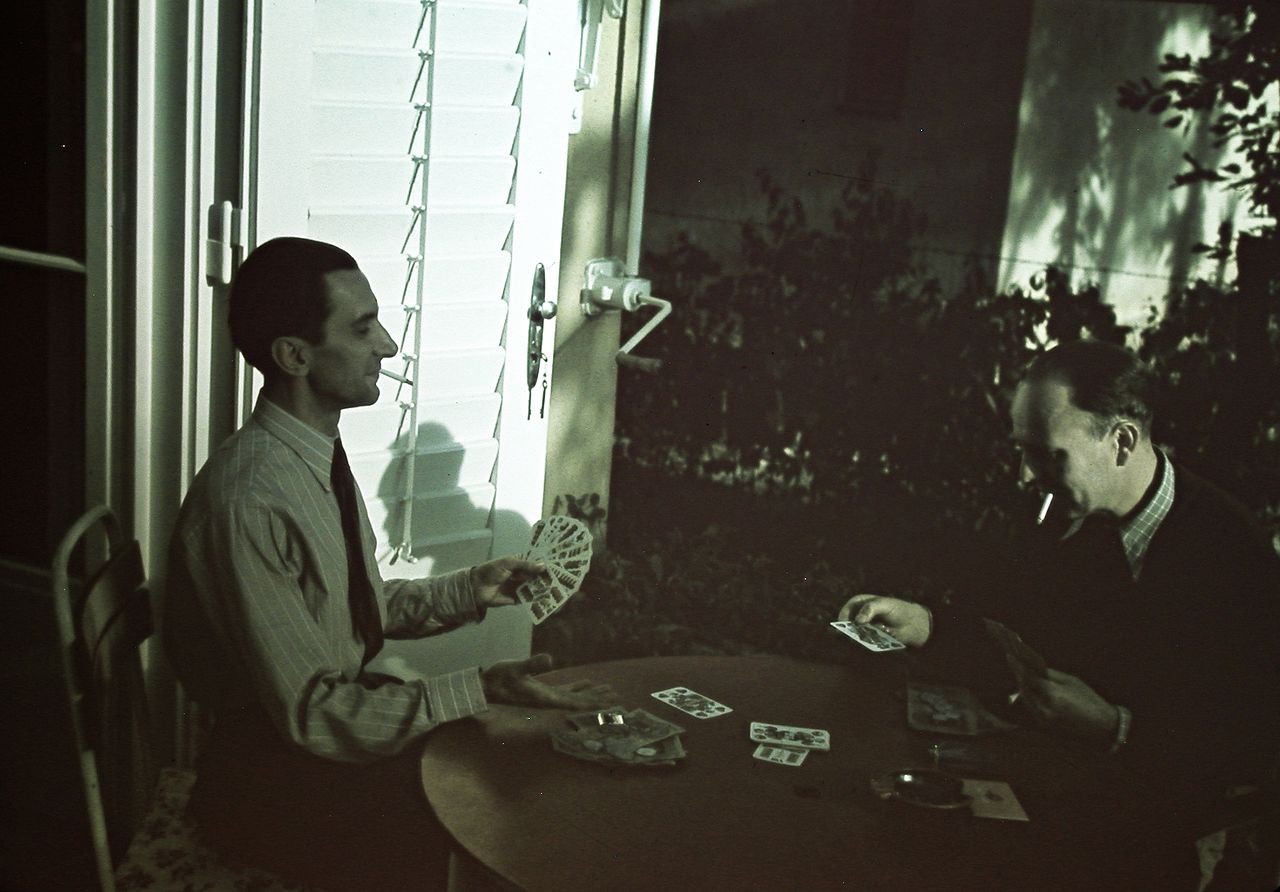
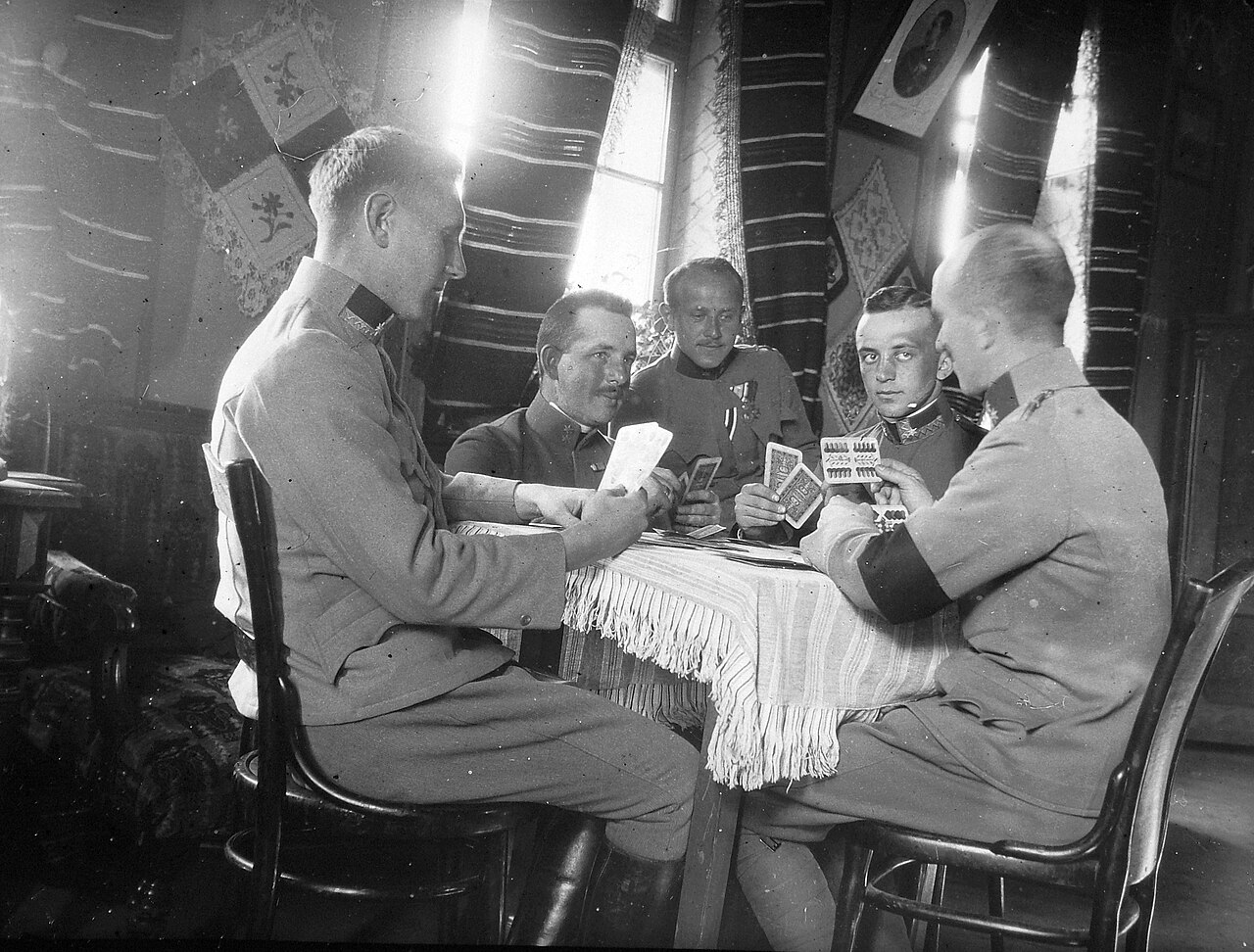
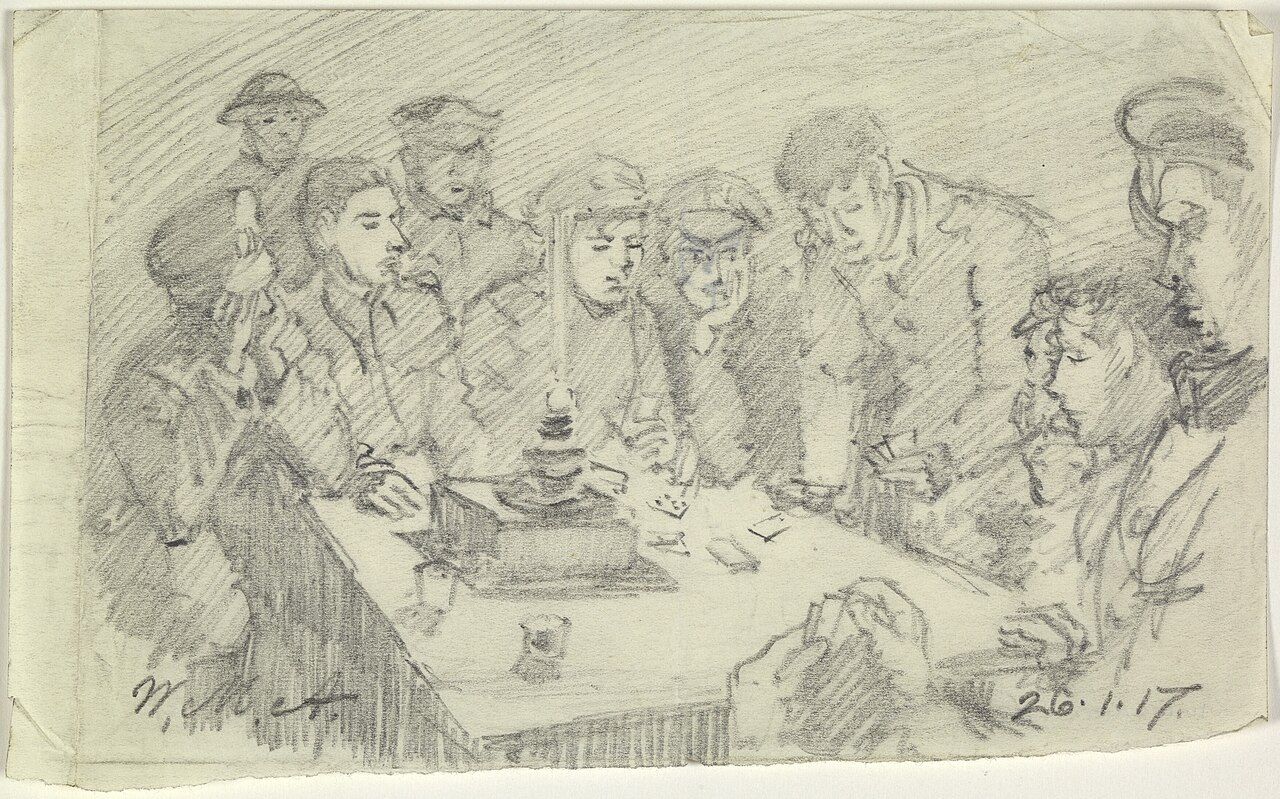
Frequently Asked Questions
What is War (card game)?
War is a minimal two-player card game in which each player flips the top card of their personal stack and the higher-ranking card claims both. It is one of the most universally recognized games you can play with a standard 52-card deck, most often associated with children's play.
How do you actually play War?
Each player deals half the deck face-down, then simultaneously reveals the top card of their pile; the player with the higher card sweeps both cards to the bottom of their stack and the process repeats. The game ends the moment one player runs out of cards, leaving the other with the entire deck.
Is War a game of skill or pure luck?
In its basic form there are zero strategic choices—every round is decided purely by which random card surfaces next. This makes it a pure game of chance, which is why it is beloved for its simplicity but often dismissed by players who prefer tactical depth.
What popular variations of War exist?
Well-known variants include 'War, War, Peace,' where a tie triggers a mini-auction before the winner is decided, and 'Revolution,' in which the lowest card takes the round. In the United Kingdom the same game is simply called 'Battle,' and a German 32-card cousin known as Tod und Leben ('Death and Life') also circulates.
Why does War matter in card-game culture?
War is essentially the default first card game most people learn, requiring nothing beyond knowing that an ace beats a king. Its near-universal presence across cultures and age groups makes it a cultural touchstone, even if it rarely appears in serious tabletop or strategy-game discussions.
More in Card & Tabletop Games 25-32
Elsewhere in the Card & Tabletop Games universe
Spotted an error? Know more?
This is a living reference — every entry is fact-audited, and reader corrections feed straight into our audit queue. Suggest an edit · See this site's audit record