Uno (card game)
A shedding card game derived from crazy eights and mau-mau.

Revisorius · CC BY-SA 4.0
The game is derived from the crazy eights family of card games, which in turn is based on the traditional German game of mau-mau.
Lore & Background
He sold it from his barbershop at first, and local businesses began to sell it as well. Tezak formed International Games, Inc., to market Uno, with offices behind his funeral parlor. The games were produced by Lewis Saltzman of Saltzman Printers in Maywood, Illinois. The Strong National Museum of Play recognized the game for its fast pacing, wide age appeal, and enduring cultural impact as a staple of family entertainment.
Reader's Guide
Uno's significance lies in its transformation from a homemade card game sold in a barbershop to a globally recognized brand owned by Mattel. Its simple rules—matching cards by color, number, or symbol, with special action cards—make it accessible to players of all ages. Uno has also spawned numerous special editions and house rules, such as Progressive or Stacking Uno and Seven-O, which have become widely adopted despite not being part of the official rules. Uno remains a staple of family entertainment, with over 50 years of continuous play.
A Decade of Platform Expansion
The Uno video game has traversed an impressive digital landscape over more than a decade. Its debut arrived on May 9, 2006, as an Xbox Live Arcade download crafted by Carbonated Games and published by Microsoft Game Studios for the Xbox 360. From that starting point, the title expanded steadily: Gameloft brought it to iPhone OS and iPod devices in 2008, followed by a PlayStation 3 release on October 1, 2009, along with ports for WiiWare, Nintendo DSi via DSiWare, and PlayStation Portable. Gameloft also produced J2ME mobile versions of both the original game and Uno Spin. The most recent major iteration was developed by Ubisoft Chengdu and published by Ubisoft, launching on PlayStation 4 and Xbox One in August 2016, Microsoft Windows in December 2016, and Nintendo Switch in November 2017. This version further extended to Xbox Series X/S, PlayStation 5, Stadia, and Luna, cementing Uno's presence across virtually every major gaming platform of the era.
Gameplay Modes and Multiplayer Innovation
Across its various incarnations, the Uno video game has offered players a rich menu of ways to compete. The Xbox 360 edition introduced three distinct modes: Standard Uno, Partner Uno (where players seated across from each other form a team, and either player's victory counts for both), and House Rules Uno, which let players customize the rule set to their liking. Online multiplayer supported up to four players via Xbox Live, with the flexibility to join or leave in-progress matches at any moment—computer opponents seamlessly filling any vacant seats. The game even integrated the Xbox Live Vision camera, letting opponents see a live image of the player or whatever the camera captured. The Ubisoft-era version streamlined this into Standard Play and a dedicated 2v2 partner mode, both supporting online competition, and offered six combinable house rules including Stacking, 7-0 hand trading, Jump-In, Force Play, No Bluffing, and Draw to Match.
Theme Decks and Creative Rule Expansion
One of the most inventive aspects of the Uno video game is its ecosystem of downloadable theme decks, which transform the visual identity, audio, and even the core rules of play. On Xbox 360, the Xbox Live Marketplace offered decks tied to other franchises: Project Gotham Racing Uno added a "Gotham Live" card that let players peek at opponents' hands while functioning as a wild card; Kameo: Elements of Power Uno included a card to swap entire hands; the 35th Anniversary deck featured specialty "35" cards requiring a 3 or 5 response; and Super Street Fighter II Turbo HD Remix introduced a "Hadouken" card forcing the target to draw until landing a Skip or Reverse. The Ubisoft version continued this tradition with decks for Raving Rabbids, Just Dance 2017, and Rayman, each introducing four unique rule-altering cards, alongside a purely cosmetic Winter Theme. Many of these were bundled into an Ultimate Edition package.
Studio Lineage and Critical Reception
The Uno video game's history reflects a rotating cast of development studios, each leaving a distinct mark. Carbonated Games, in partnership with Microsoft Game Studios, crafted the original Xbox 360 title, which earned well-received critical reviews upon its 2006 launch. Gameloft then took the franchise in a different direction, producing the 2008 iPhone and iPod edition featuring a 15-round progressive career mode that gradually unlocked special rule changes, as well as the WiiWare and DSiWare ports that supported online play through Nintendo's Wi-Fi Connection and, in the Wii case, Wii Speak voice support. Gameloft also developed Uno & Friends, first as an offline J2ME title in 2012 and then as an online social experience on Facebook and other platforms in 2013, before the Facebook version was discontinued in 2017. The franchise's momentum was further validated when a sequel, Uno Rush, was announced at E3 2008 and released in 2009, confirming the digital Uno concept had resonated with both players and publishers.
Gallery
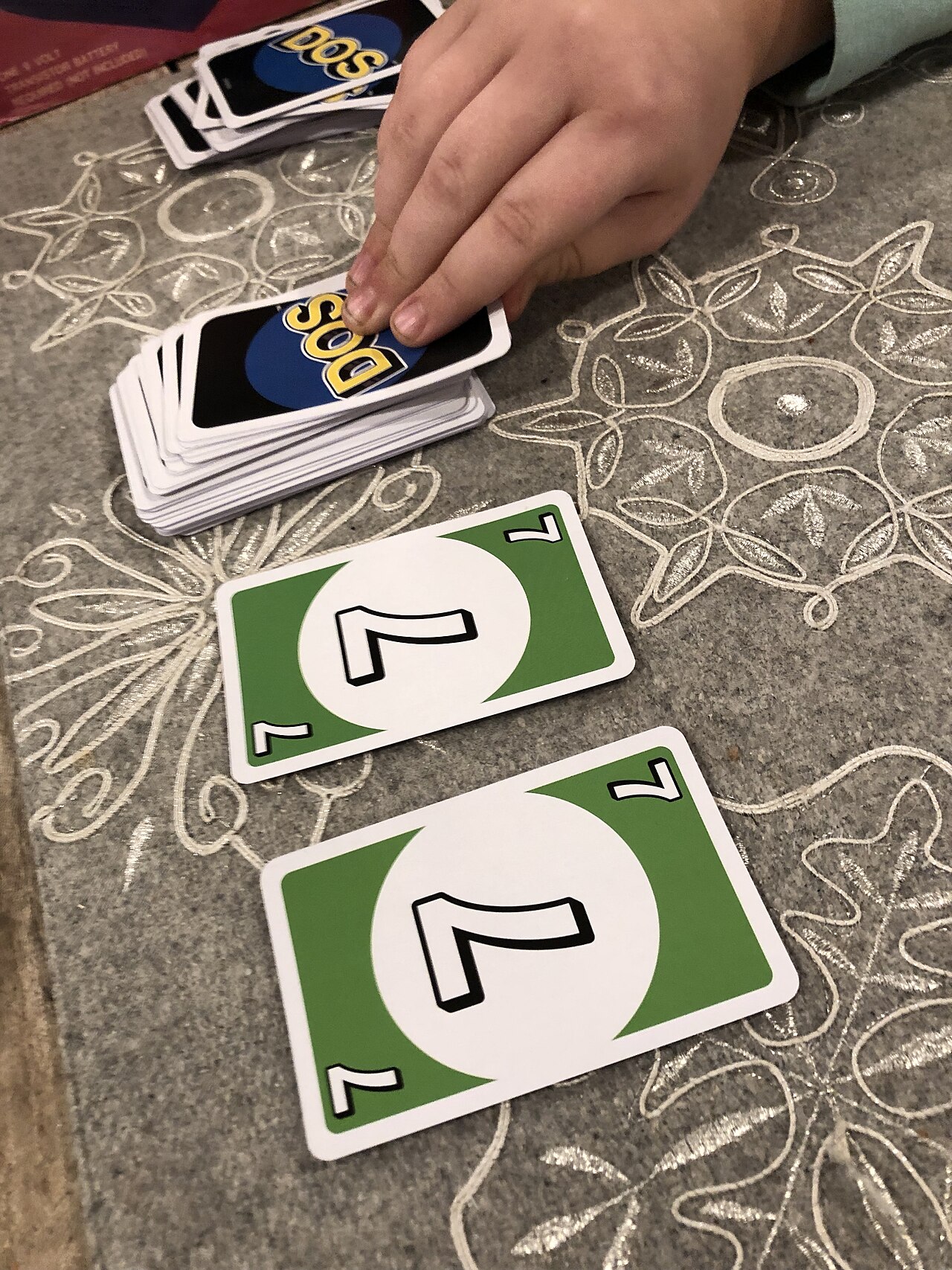
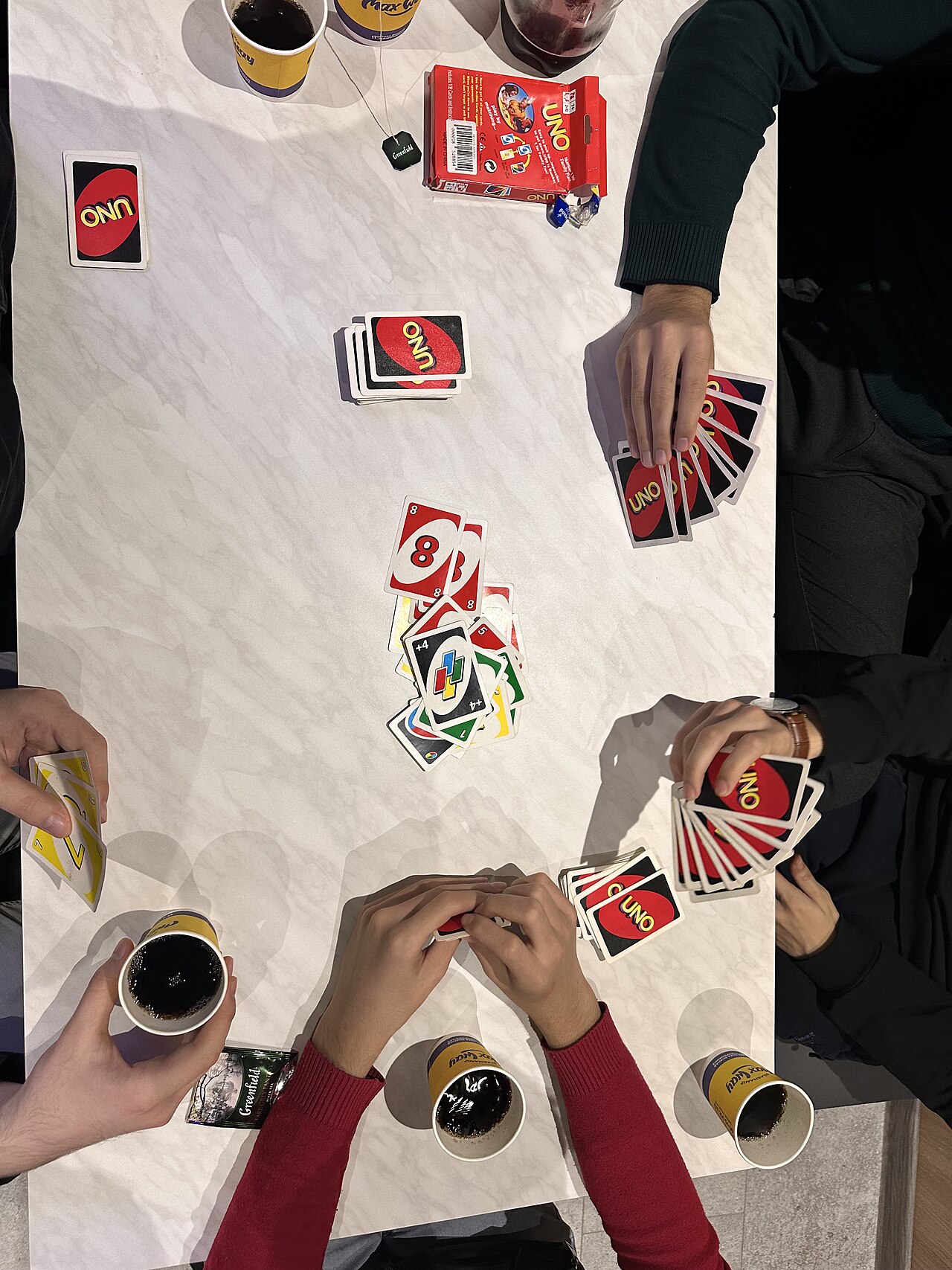
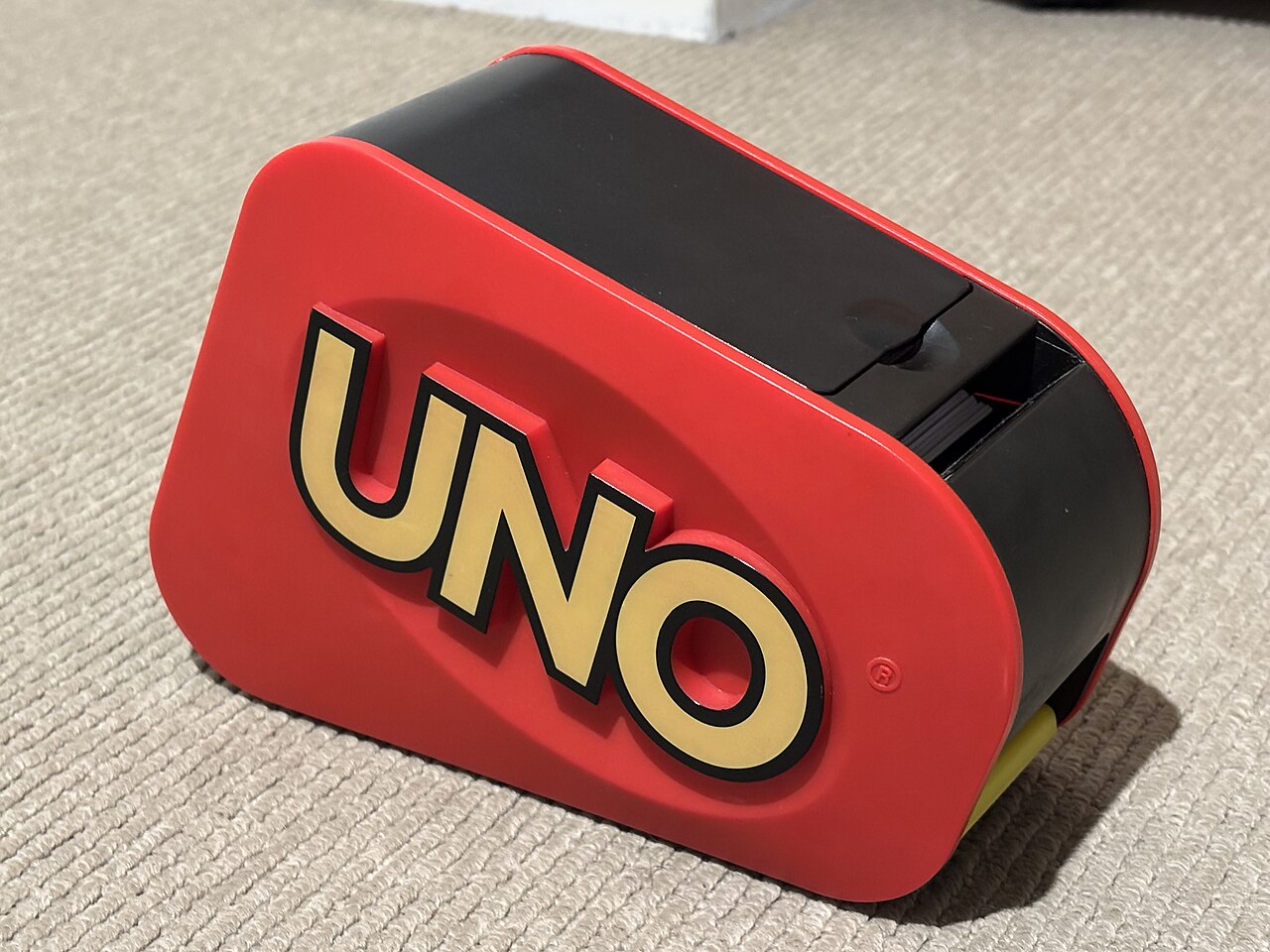


Frequently Asked Questions
What is Uno based on historically?
Uno evolved from the crazy eights family of shedding games, which in turn traces its roots back to the traditional German card game mau-mau.
What type of card game is Uno?
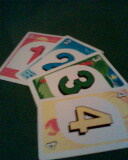
Uno is a shedding-type game in which players try to be the first to empty their hand by matching colors or numbers, while special action cards let you skip turns, reverse play order, or draw extra cards.
More in Card & Tabletop Games 25-32
Elsewhere in the Card & Tabletop Games universe
Spotted an error? Know more?
This is a living reference — every entry is fact-audited, and reader corrections feed straight into our audit queue. Suggest an edit · See this site's audit record