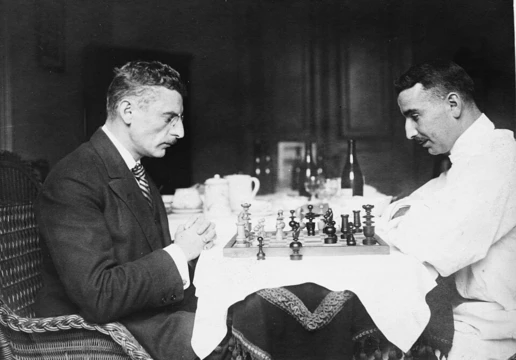
Shatranj
Ancient Persian chess that evolved into the modern game.

Shatranj is an old form of chess played in the Sasanian Empire, derived from the Indian game of chaturanga. It spread westward after the Islamic conquest of Persia and eventually evolved into modern chess through contacts in Muslim-occupied Spain and Sicily in the 10th century.
- Origin
- Sasanian Empire (Persia)
- Derived from
- Indian chaturanga
- Introduced to Europe
- 10th century via Spain and Sicily
- Legacy
- Precursor to modern chess
Lore & Background
The initial setup differed from modern chess: the king was placed on a white square and the ferz (counselor) on a black square, so they started on opposite colors—unlike modern chess where the queen begins on her own color. Pieces included the shah (king), ferz (counselor, moving one square diagonally), rukh (chariot, like a rook), pīl (elephant, moving two squares diagonally, jumping), asb (horse, like a knight), and piyadeh (infantry, like pawns but without a double-step move, promoted to ferz). Castling was not allowed; stalemate was a win; baring the king was a win unless the opponent could capture the last piece on the next move.
Reader's Guide
Shatranj represents a crucial stage in the evolution of chess, bridging the ancient Indian game of chaturanga and the modern game that emerged in Europe. Its rules introduced key concepts such as check and the prohibition of moving the king into danger, which transformed the game from a capture-based contest to one focused on checkmate. The game's spread through the Islamic world generated a substantial body of literature on tactics and strategy from the 8th century onward, including works listed in Ibn al-Nadim's Fihrist. The piece names and movements—especially the weak ferz and the limited alfil—show how modern chess pieces developed: the ferz became the queen, the alfil became the bishop, and the rukh became the rook. The survival of terms like 'ferz' in Russian and 'alfil' in Spanish reflects the lasting influence of shatranj. Its legacy is not only as a historical precursor but as a game that shaped the strategic foundations of modern chess, with its rules and terminology persisting in various forms across Europe and Asia.
Did You Know?
- The Persian word shatranj derives from Sanskrit caturaṅga, meaning 'four arms.'
- During Khosrau I's reign, an Indian king sent a chess set with sixteen emerald and sixteen ruby pieces.
- Persian shatranj introduced the concept of announcing check to avoid accidental game endings.
- The alfil (elephant) moved exactly two squares diagonally, jumping over the intervening square.
Frequently Asked Questions
What is Shatranj?
Shatranj is the ancient Persian form of chess that developed in the Sasanian Empire, built upon the older Indian game of chaturanga. It is one of the earliest recognizable versions in the chess family of games.
How did Shatranj become modern chess?
After the Islamic conquest of Persia, shatranj spread westward through the broader Muslim world. By the 10th century it reached Europe via Muslim-occupied Spain and Sicily, where it gradually transformed into the chess played today.
Why is Shatranj important to chess history?
It is the direct intermediate link between Indian chaturanga and the modern European game, making it the essential transitional step in chess's long evolution. Without the Persian adoption and subsequent westward spread of shatranj, modern chess would not exist in its current form.
More in Card & Tabletop Games 1-24
Elsewhere in the Card & Tabletop Games universe
Spotted an error? Know more?
This is a living reference — every entry is fact-audited, and reader corrections feed straight into our audit queue. Suggest an edit · See this site's audit record